
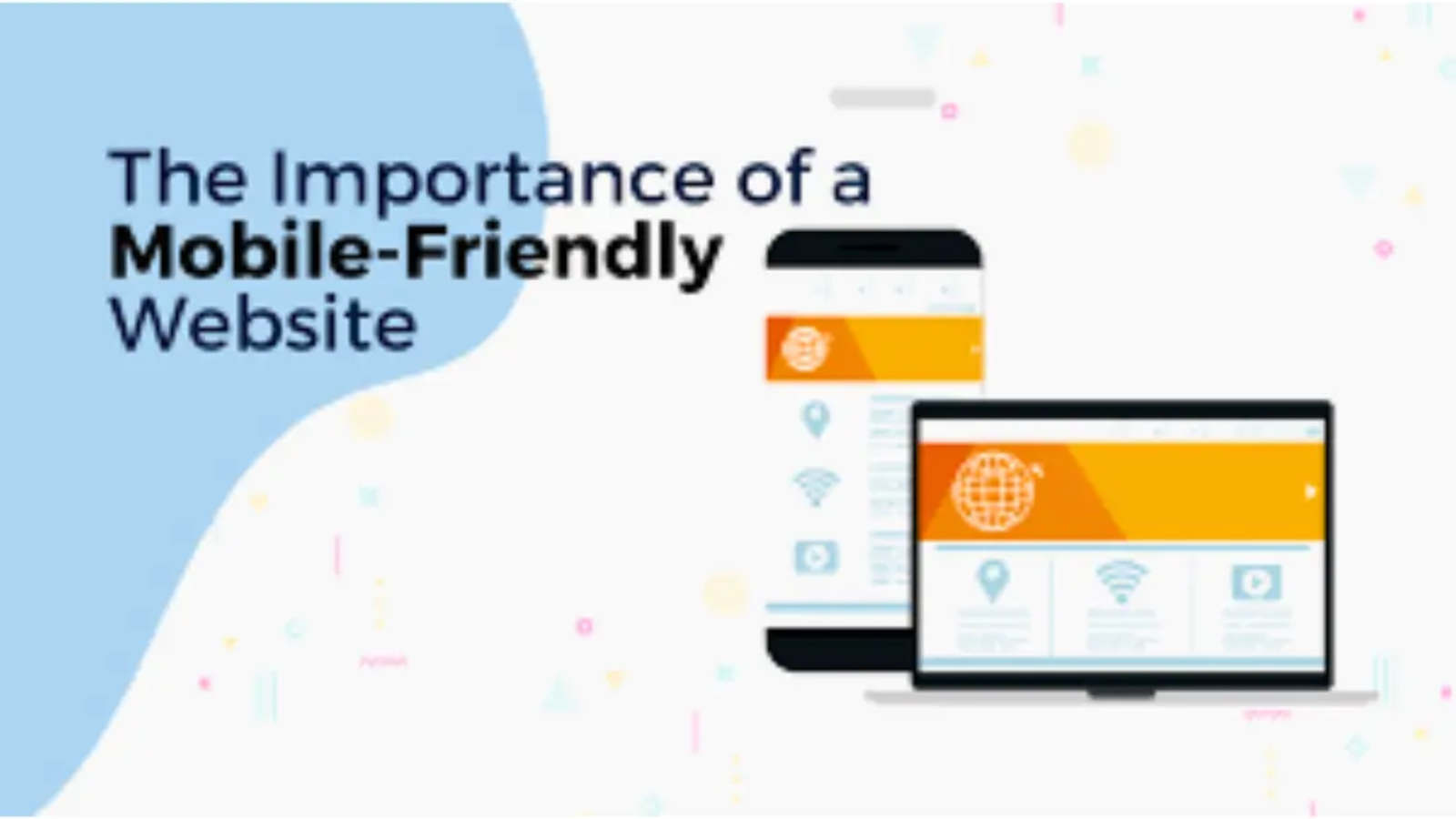
Imagine a customer searching for your services on their phone. They click your website link, but the site loads slowly, buttons are tiny, and text is hard to read. Frustrated, they leave—and you lose a sale.
In 2025, more than 60% of global internet traffic comes from mobile devices (Statista, 2024). This makes having a mobile-friendly website essential for business growth, user engagement, and higher conversions.
Why Mobile-Friendly Websites Matter
A mobile-friendly website adapts to all screen sizes. According to Google’s Mobile-First Indexing guidelines (2023), mobile-optimized websites are prioritized in search results. Key benefits include:
- Better User Experience: Users navigate easily and find information quickly. Sites that are difficult to use on mobile have higher bounce rates (Think with Google, 2024).
- Higher Conversion Rates: Mobile-optimized websites make it simple for visitors to contact you, subscribe, or make purchases.
- SEO Advantages: Search engines reward mobile-friendly websites with higher rankings (Search Engine Journal, 2023).
- Professional Image: Responsive websites signal trustworthiness and reliability.
Mobile Optimization for Small Businesses
Small businesses benefit greatly from mobile-friendly websites. Over 50% of local searches are done on mobile devices (Think with Google, 2024). For example, a local café with a responsive website can easily attract nearby customers searching for “coffee near me” while on-the-go.
How to Make Your Website Mobile Friendly
Here are five actionable strategies backed by industry best practices:
1. Implement Responsive Web Design
Responsive layouts automatically adjust to smartphones, tablets, and desktops. At Digital Hub Squad, we create responsive websites that ensure a smooth experience for all users.
2. Optimize Page Speed
Mobile users expect pages to load in under 3 seconds. Compress images, minimize scripts, and enable browser caching to improve speed. Tools like Google PageSpeed Insights provide actionable recommendations.
3. Simplify Navigation
Menus, buttons, and links should be easy to tap. Avoid clutter, long dropdowns, or tiny text. A clean, mobile-first design increases usability and reduces bounce rates (HubSpot, 2024).
4. Highlight Calls to Action (CTAs)
Prominent buttons like “Call Now” or “Get a Quote” guide users toward conversion. Make them large, visible, and strategically placed for mobile screens.
5. Test Across Devices Regularly
Mobile devices vary in screen sizes, resolutions, and network speeds. Test your site across multiple devices to ensure consistent functionality and a smooth user experience (Statista, 2024).
Results: More Engagement, Better SEO, and Higher Sales
Mobile-friendly websites improve user satisfaction, search rankings, and conversion rates. For instance, businesses that optimized for mobile often see a 30–40% increase in mobile conversions within months (Think with Google, 2024).
Take Action Today
Transform your website into a mobile-friendly sales machine with expert guidance from Digital Hub Squad and stay updated with tips on Instagram: @digitalhubsquad.
Add a Comment